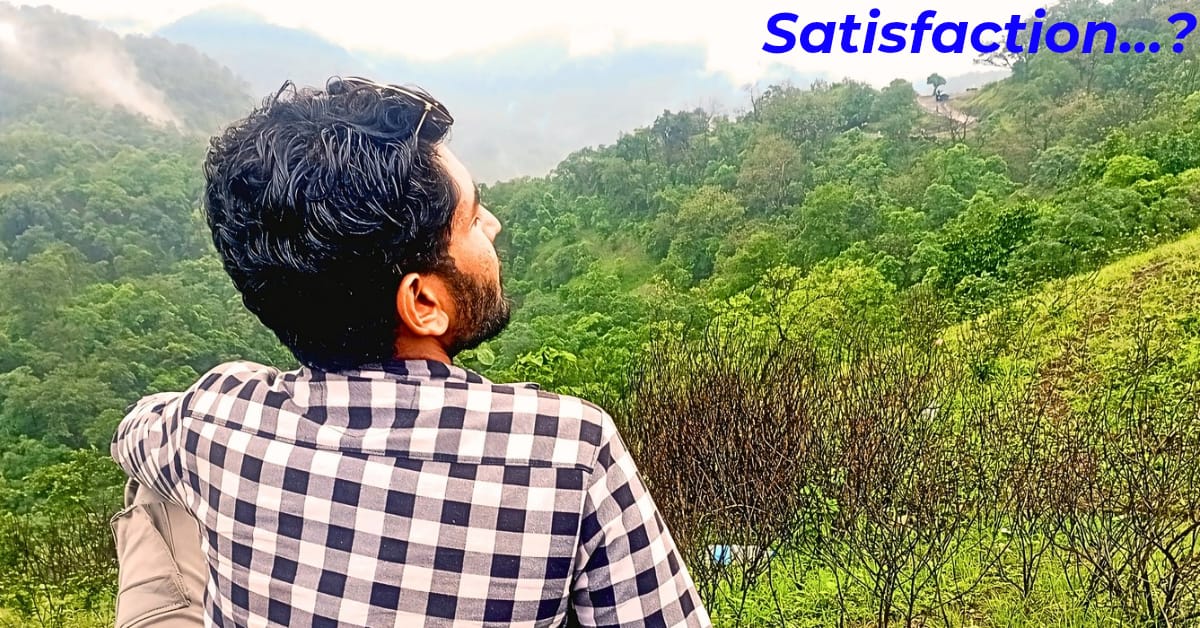

Most people believe they are enjoying life. Look at social media, weekend parties, loud music, endless food, alcohol, smiling faces everything looks like a celebration of happiness. But if you pause and observe carefully, a different picture starts to emerge. It is not as joyful as it appears. In fact, much of what we call “fun” today is not an expression of happiness, but a performance designed to temporarily escape something deeper. The uncomfortable truth is that many people are not celebrating life they are trying to distract themselves from it.
The Illusion of Enjoyment
To understand this, imagine a simple situation. If you have an itch on your skin and you keep scratching it, it can feel temporarily satisfying. You may even say that it feels good. But what is actually better scratching the itch or not having the itch at all? This is exactly how modern fun culture operates. What looks like enjoyment is often just relief from discomfort rather than genuine happiness. When you look closely at people who are constantly engaged in parties, posting, and stimulation, a pattern starts to appear. The excitement is intense but short-lived, and the silence that follows often feels heavier than before. If something is truly fulfilling, it should not leave you feeling empty once it ends, yet for many people, that is exactly what happens.
The Psychology Behind Party Culture
Most people do not chase constant stimulation because their lives are already fulfilling. They do it because something within their life feels uncomfortable. That discomfort may come from pressure in work, dissatisfaction in relationships, financial stress, comparison, or simply a lack of direction. These issues are not always visible, but they exist quietly in the background and influence behavior more than people realize. Instead of confronting these realities, people often choose distraction. Parties, social media, food, and entertainment become tools not for celebration, but for temporary escape. The activity gives a short-term high, but it does not resolve the deeper cause, which is why the cycle continues.
Who Is This “Fun” Really For?
At the surface, it looks like these activities are for enjoyment, but at a deeper level, much of it revolves around the ego. The ego constantly seeks validation, recognition, and a sense of importance. It wants to feel seen and socially relevant, so the individual participates not just to feel good internally, but to maintain an external image. This is where the shift happens without people noticing it. Experiences are no longer just lived; they are displayed. The focus quietly moves from genuine enjoyment to how that enjoyment looks to others. In that sense, the “fun” is not always for real happiness, but for reinforcing identity.
What Happens After It Ends
The most honest moment is not during the party, but after it ends. When the music stops, the phone is put away, and the crowd disappears, what remains is often the same unresolved thoughts and dissatisfaction that existed before. The environment changes temporarily, but the inner state remains largely untouched. That is why the cycle repeats. Because the root problem is still there, people return again and again to the same sources of distraction, hoping for a different result.
Pleasure vs Real Joy
One of the biggest misunderstandings in this pattern is the confusion between pleasure and real joy. Pleasure depends on external conditions and stimulation, and it often comes with an opposite side such as boredom or emptiness. Joy, on the other hand, is quieter and more stable. It does not collapse once the moment ends because it is not built on temporary highs. When life is built around chasing pleasure, the individual becomes dependent on external triggers. When those triggers are absent, discomfort returns. But when life begins to align with clarity, meaning, and self-awareness, the need for constant distraction naturally reduces.
The Shift That Actually Matters
This does not mean that socializing or celebrating is wrong, but it does mean that the intention behind it matters more than the activity itself. The real shift begins with honesty. If certain aspects of life are creating pressure or dissatisfaction, avoiding them will not lead to lasting change. At some point, those areas must be addressed directly. This may require difficult decisions, letting go of certain patterns, or changing direction, but it is necessary for any meaningful transformation. At the same time, life must include things that create real engagement, not just temporary escape.
The goal is not to eliminate fun, but to understand it clearly. When enjoyment comes from a place of balance, it adds value to life. When it comes from a place of avoidance, it slowly weakens it. In the end, the question is simple but powerful. Are you truly enjoying your life, or are you just getting better at escaping it?